



“‘I don’t feel different, I am different.’ For global nomads, these feelings are not a phase, they represent a state of being. Provided an environment that acknowledges and values their global background, [expatriate] children can—and many will—make positive changes in the world.”
–Norma McCaig
I never spent much time searching for “home.” Growing up my mother always referred to wherever we were as “home.” The hotel room, the relative’s house, the house we lived in. I never had a sense that “home” was a particular and steady place. It was just where we were sleeping at that moment. When people asked me where I was from, I just assumed they meant where I had come from at that moment. I never understood why people cared where I was from. It wasn’t until I moved to the USA (my passport country) that I realized I was different. And I didn’t know why. I thought there was something wrong with me. What was wrong with me? Why was I different, why couldn’t I get along with these people? I had always been able to fit in before.
I had some rude awakenings when I first arrived in the USA. But at the time, it was mostly personal. I had always been able to shift, to adjust, to slip into a new place— but this was different. I could not figure it out, even though I pulled everything I had in my toolbox. I knew I had to live in the present and persevere, but I stopped talking to people and retreated into myself.
When I moved to Minnesota in the 1980s, I did not know anything about Third Culture Kids. I was fresh out of college and I was having a difficult time adapting to my passport country. I did not understand why people reacted to me the way they did. When I went for job interviews in Minneapolis, I thought I would bring something special to the table. I clearly could get along with all kinds of people, was well-educated, and was smart. But when the interview was nearly over, they would ask, “Are you going to finally settle down and stay in one place for a while?” I did not understand the question. What difference did it make? As I adjusted to Minnesota culture, I realized that I had to approach it like being in a foreign country. Most people had lived there their whole lives, and few had done much traveling. Although it was a progressive state, many people were conservative. I learned to bury my past even deeper and watched a lot of TV so I would have something to talk to people about.
I moved back to Minnesota after being away for thirty years. This time, Minnesota had changed as much as I had. It had become more diverse with a large influx of refugees, one of the highest numbers of refugees per capita of any state. It has been in the news lately because of that. ICE agents pulling people off the streets and shooting innocent people.
I also was armed with the fact that I knew much more about myself. I knew how to use my past to an advantage without scaring people off. My new strategy was to not disclose much about myself at first. Once I got to know somebody a little, then I would tell them about a few places I had lived or visited. People seemed to be able to take my stories in small doses. I liked to try and tell them about other places, cultures, people, and traditions in a low-key way and maybe not even say anything about myself. That seemed to work pretty well. It made me feel good to broaden someone else’s mind if I could. I knew I would still be different and there would be people who thought I was odd, but it did not bother me. I was comfortable with who I was.
I have been settled in my new home now for ten years, but I still travel as much as possible. That is my new normal. Looking back, I’ve had a pretty unique life. I have learned a lot about expats and TCKs. I’ve learned about the ones that have lived in one country or two, many of them missionaries who tend to stay in one country. I’ve learned about those who come from business or diplomat families who have incredible support systems including their own health clinics, doctors, and security teams. There are many, many different stories.
And in all of this, I’ve learned I’m not alone. According to the World Population Review website, there were more than eight million expats living overseas in 2024. Or course, life overseas has changed since I was a child. The world is much smaller. Communications have improved. Facebook and social media has made it easy to connect with and stay in touch with old friends. There has been an effort to educate people about the unique issues TCKs and expats face. I’m not sure it is easier, but it is less traumatic when you know you are not alone and know what to expect.
Yes, I am different. But I kind of like it that way.
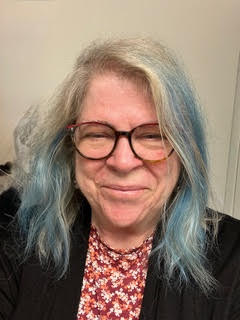
Kathleen Gamble was born in Burma (Myanmar), lived in Mexico, Colombia, Nigeria, Switzerland, Netherlands as a child and Russia as an adult. Gamble is the author of the memoir Echoes of a Global Life.
Find her website at expatalien.blog.