




As expatriate workers, we and our families are familiar with the different processes of preparing to begin an overseas journey, transitioning to another field, finishing support-raising, starting college independently, and going on Home Assignment. At these junctures, it is a time where parents and children alike might become consumed with these events and even consider afresh how living abroad changes one’s outcomes and opportunities. Those changes confront families as we come face-to-face with the dreams we grieve about– dreams of who we thought our children would be or the life we imagine might be possible somewhere else. It makes you reconsider, as parents, how we can support God’s work in the lives of our Third Culture Kids (TCKs). How can we support them when that work and the outcome of the life He’s given them abroad does not look like what we might have imagined?
Parenting abroad gives us the opportunity to perceive and assess the cultural context in which we ourselves were raised in fresh ways. It also lets us look at our child(ren)’s identity from God’s vantage point and find freedom in the knowledge that we are all made in God’s image. For us, we can ask God to help us “become like Jesus for the sake of others” (TeachBeyond), which is not only the focus of our missions but of parenting. Of course, we may find that many of the “plug-and-play” parenting strategies that worked in our passport culture may not be relevant in our host culture, which then makes guiding and discipling children feel more uncertain. The loss of those strategies, customs, opportunities, and even community may grieve our hearts when we consider what we wanted to give our kids but can’t and it drains our energy as we struggle to learn a new culture and people (not to mention help our kids do these things). But while this is all true, it is also an opportunity to be sensitive to God’s leading and the identity He gave the TCKs under our care.
Often the locations God takes us can mean our children sense a lack of choice or agency, but they can also be opportunities for kids to see how their story and their family’s story fits into God’s one big story. While the words “choice” and “agency” are laden with cultural meaning, the reality is that God has given us free will and has tasked us with using it. As adults, part of our purpose is to help each child find their purpose, remind them of that purpose when they forget, and give them opportunities to move toward that purpose. As Melissa Trevathan and Sissy Goff put it, “We want to get our hands dirty with humility as we develop a vision of who God is forming them [our children] to be.”
Part of that humility might be that we take a step back from that which seems urgent in the fulfilling of our calling. This is so that we can make space for our children to discover who God is creating them to be as kids whose homes, relationships, and stories are often deeply wrapped up in our particular callings. Slowing down gives us time to develop and clearly articulate a family mission statement and space to include our kids in that lets them know that they have a purpose within their family and, ultimately, God’s family.
Even as we may grieve the real losses that the overseas life brings, it also presents the possibility of seeing our child(ren)’s personalities, temperaments, struggles, and strengths in different ways and in different cultures. Parenting abroad and with cultural awareness is a chance to look purposefully at what the Spirit is doing in the lives of our TCKs and urge those children to also “become like Jesus for the sake of others” (TeachBeyond). Psalm 38:15 becomes real to our hearts as we parent abroad, waiting on God to fulfill the promises He has made to us and our children. God is the one on whom we wait rather than cultural context or parenting strategies, knowing that He will respond. Parenting abroad is an opportunity to become sensitive to the Spirit and meet the needs our children have no matter where God has placed our family.
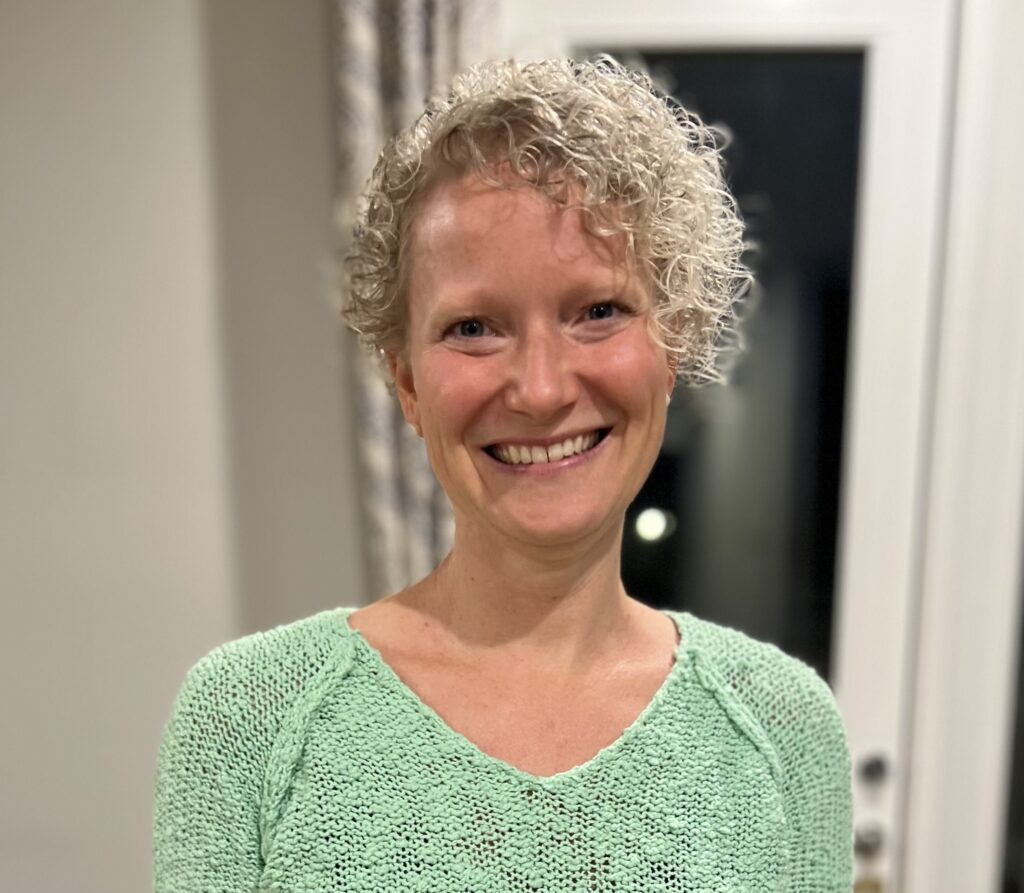
Lindsay Nimmon uses her gifts of teaching, administration, and curriculum development to serve TCKs and their families around the world through TeachBeyond. Her passion for Christ, the Gospel, and these unique children move her to support, train, and interact with missionary families whose children are growing up outside their passport countries and within a high degree of mobility. She has lived in Ireland, Burundi, Kenya, and the United States with her husband and daughter.